 OUR BUSINESS
Products
Audit Services
Consulting Services
AUDIT SERVICESEarthing Health Assessment
Instrumentation Earthing System
Lightning Protection Audit
Power Quality Studies
Electrical & Fire Safety
CONSULTING SERVICESOUR BUSINESSAUDIT SERVICESCONSULTING SERVICES
Surge Protective Devices address the threat that travels through electrical, signal, and data cables into the interior of the building — both during lightning events and from switching transients generated within the facility's own electrical network.
Lightning is one source of transient overvoltages in an industrial or commercial facility. A significant proportion of damaging surges originate within the building itself — from motor starting and stopping, transformer switching, capacitor bank operations, and variable speed drive activity. These internally generated events are typically lower in voltage than a direct lightning-related surge, but they repeat far more frequently, and the cumulative effect on insulation systems and electronic components can significantly reduce equipment service life even where no single event causes visible damage.
Surge Protective Devices are required to address both sources. An external lightning protection system manages the direct strike. It does not eliminate transient overvoltages induced on cables by nearby lightning events, nor does it affect internally generated switching surges.
IS/IEC 62305 and NBC 2016 require surge protection on all electrical and electronic lines entering a structure where an external lightning protection system is installed. The CLPS range covers:
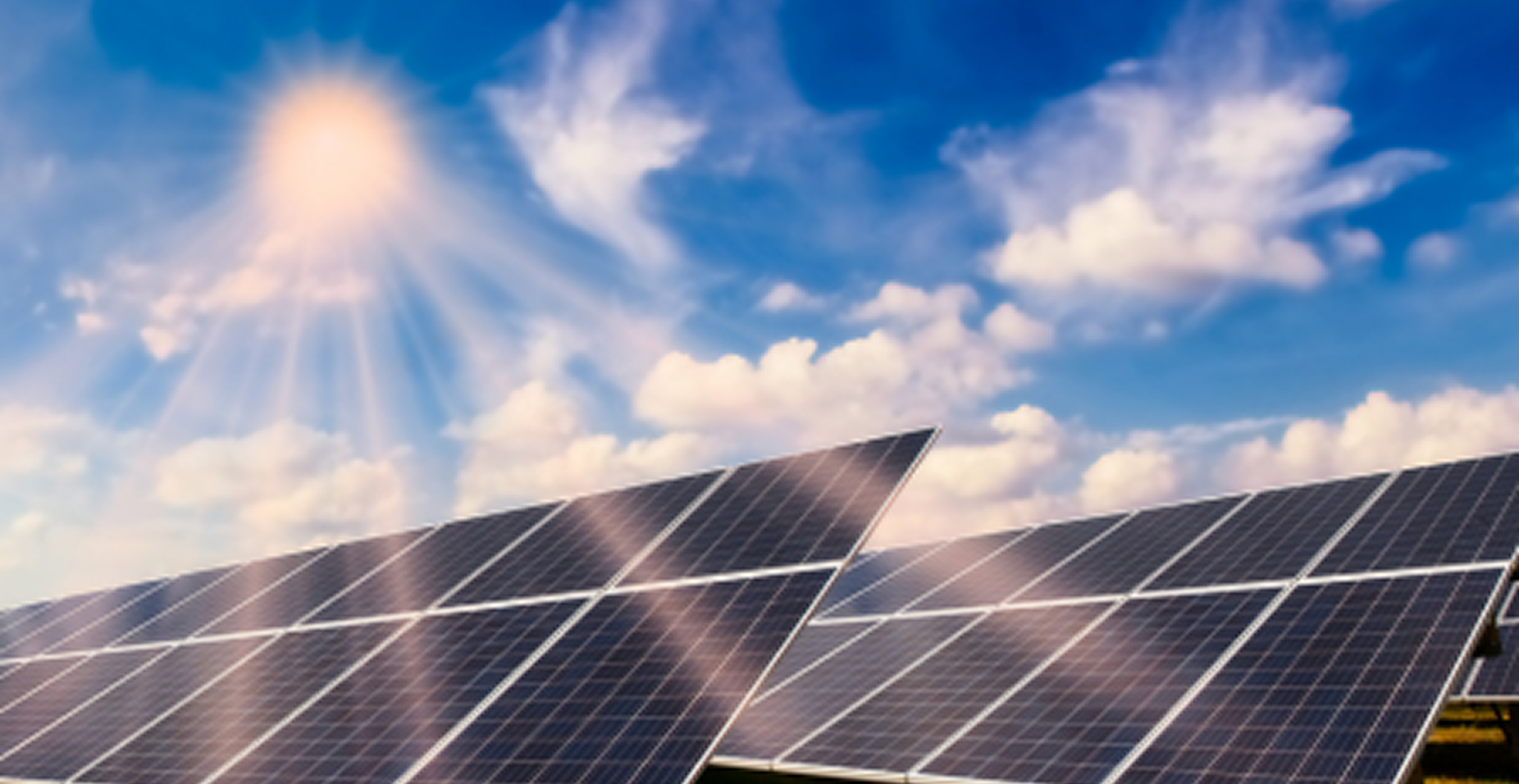
Type 1, Type 2, and Type 3 SPDs installed at appropriate points from the main distribution board to point-of-use equipment to manage lightning and switching surges.
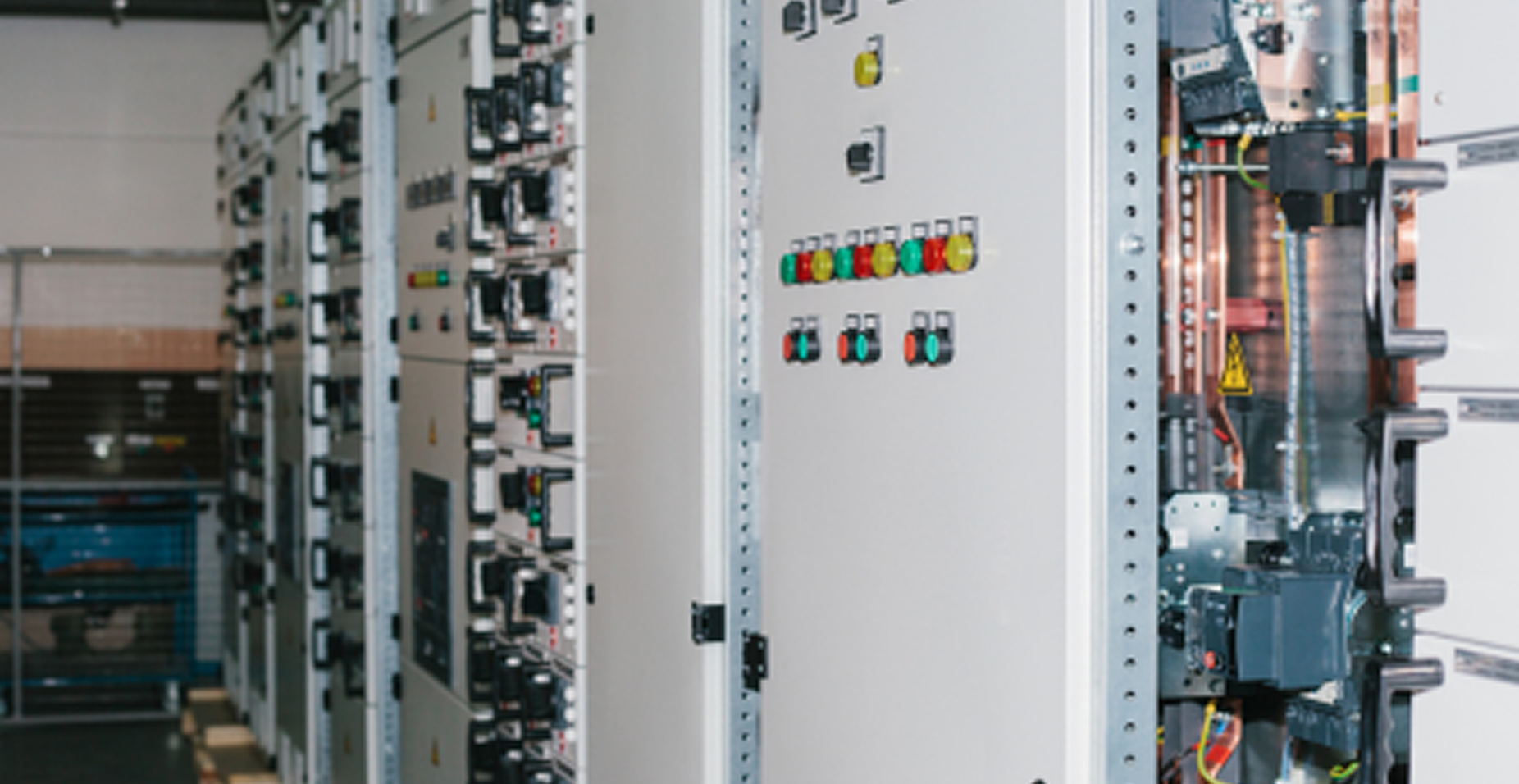
Protection for process instrumentation, measurement systems, PLC and control wiring, and other low-voltage signal circuits entering or leaving the structure.

Surge protection for LAN, PoE, and other communication networks where transient overvoltages can damage network hardware and connected electronic equipment.
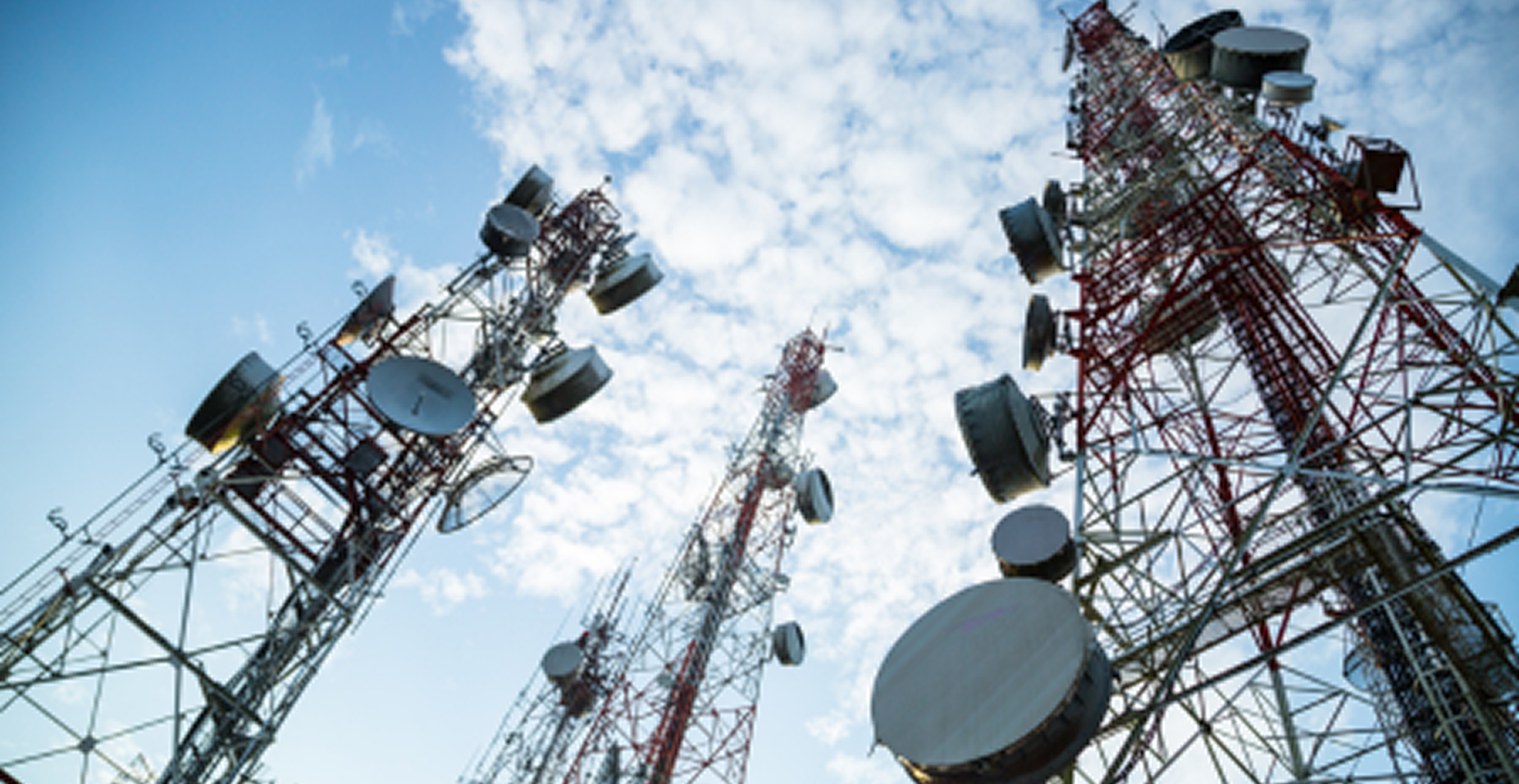
Protection for telephone, broadband, and communication cabling entering protected structures from external routes or service providers.
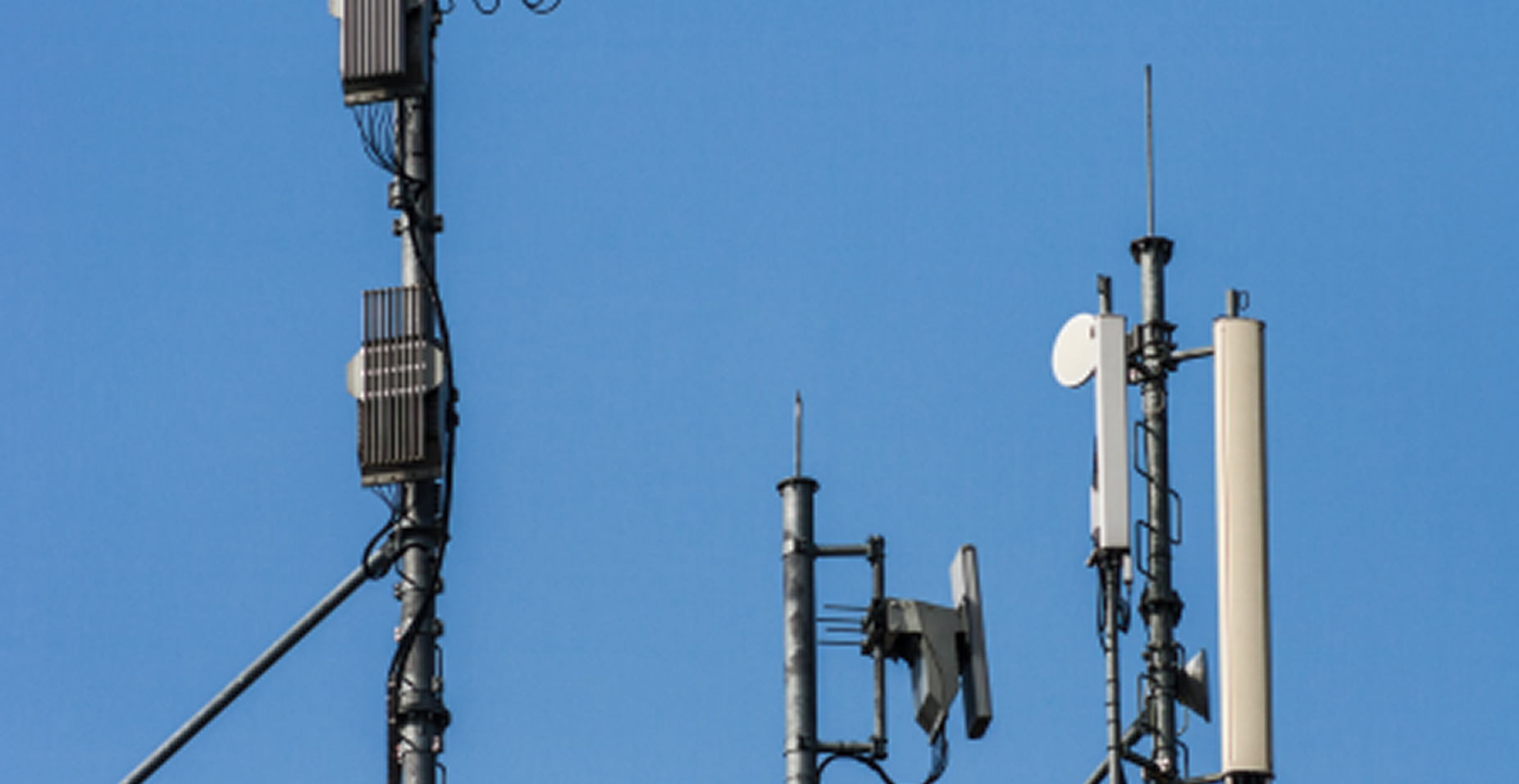
Protection for RF, coaxial, CCTV, antenna, and tower-connected systems exposed to lightning electromagnetic effects and conducted surge energy.
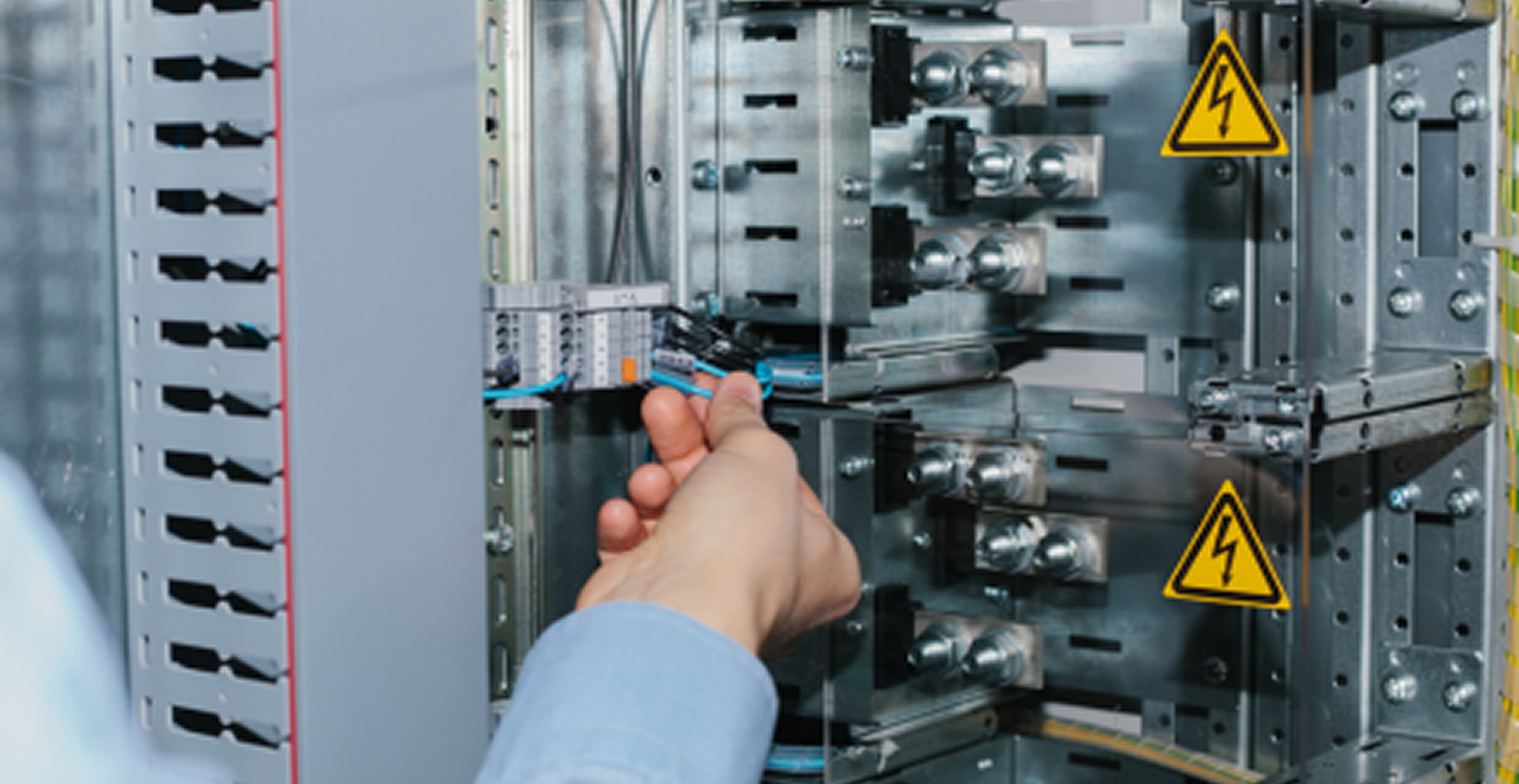
DC surge protection for photovoltaic strings, inverters, battery systems, and other DC circuits exposed to lightning and switching transients.
Type 1, Type 2, and Type 3 SPDs installed at appropriate points from the main distribution board to point-of-use equipment to manage lightning and switching surges.
Protection for process instrumentation, measurement systems, PLC and control wiring, and other low-voltage signal circuits entering or leaving the structure.
Surge protection for LAN, PoE, and other communication networks where transient overvoltages can damage network hardware and connected electronic equipment.
Protection for telephone, broadband, and communication cabling entering protected structures from external routes or service providers.
Protection for RF, coaxial, CCTV, antenna, and tower-connected systems exposed to lightning electromagnetic effects and conducted surge energy.
DC surge protection for photovoltaic strings, inverters, battery systems, and other DC circuits exposed to lightning and switching transients.

December 11, 2025

When you visit any website, it may store or retrieve information on your browser, mostly in the form of cookies. This information might be about you, your preferences or your device and is mostly used to make the site work as you expect it to.
Because we respect your right to privacy, you can choose not to allow some types of cookies. Click on the different category headings to find out more and change our default settings. However, blocking some types of cookies may impact your experience of the site.
More information