

HOW DOES A LIGHTNING PROTECTION SYSTEM WORK
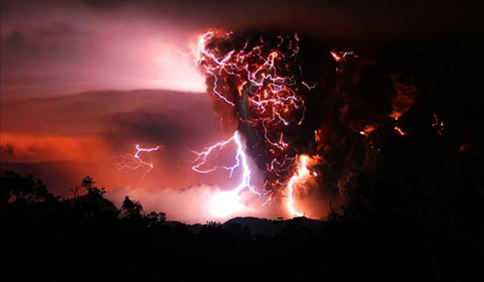
Thunder storms occur almost everywhere in the world. A lightning strike has the potential to damage just about any type of structure. Although nothing can prevent lightning from striking, a lightning protection system will intercept the strike and disperse it safely into the ground — saving households and businesses from a great deal of upset and inconvenience.
Dangers of Lightning
Lightning is a natural phenomenon that can produce voltages greater than 100 million volts, while reaching temperatures hotter than the surface of the sun. A lightning strike can create power surges, causing electricity to sweep through a property's wiring or plumbing system. With a real risk of fire, the attic will commonly catch light when a lightning bolt comes through the roof.
Lightning Rods
In a lightning protection system, strike termination rods in the shape of lightning rods are positioned in the most exposed extremities and on the highest parts of a structure at regular intervals — they become the most likely point of contact for the lightning, creating the quickest path to the ground. A lightning protection system provides an effective grounding network that creates a low-resistance path to the ground.
Grounding Electricity
Copper and Aluminium materials create a low-resistance path to the ground for the lightning's potentially dangerous electricity. When a lightning protection system is in place it intercepts the strike, directing it safely to the ground without impacting a building's structure or contents. Today, lightning protection systems are built into the structural design of many homes, public buildings, and business premises.
Surge Protection
Post lightning strike, impulse current is dissipated through a low impedance path (down conductors to the earth termination system). Part of the lightning/impulse current gets coupled into the building through utility services like power lines, data lines, and metallic pipelines. Since lightning overvoltages are typically limited to few microseconds, normal protective devices (fuses, MCBs) are unable to protect against these. New class of protective devices (SPD) which respond in a few microseconds are needed. The complete system will include conductors, strike termination rods, ground terminals, inter-connecting bonding to minimize side-flashing, and surge protection devices to prevent harmful electrical surges in power, data, and communication lines.
Installation
The SPDs are installed on the electrical service panels and on any other incoming lines. Lightning rods are installed at the highest point, such as on the roof. All buildings must have a minimum of two ground rods set as wide apart as possible. Once a lightning protection system is installed, regular maintenance and periodic safety checks are required. JEF Techno offers a wide range of technical services for maintaining your lightning protection system & SPDs.
Please let us know if you need further assistance or have any requirements: [email protected]


