

EARTHING MISCONCEPTION – TYPES OF EARTHING | Installation | Design
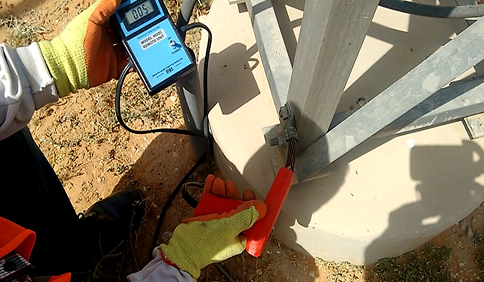
An isolated/Independent earth electrode is nothing but an electrically independent earth electrode; it is distinct by definition from the myth or we typically see.
For safety and functionality, an earthing & grounding system connects certain elements of an electric power system to the ground, generally the Earth's conductive surface.
An electrically independent earth electrode is defined as one that is positioned "at such a distance from the nearest electrode that the greatest current likely to pass through one of them does not appreciably affect the potential of other electrodes." The distance mentioned is nothing but a distance more than the "sphere of influence".
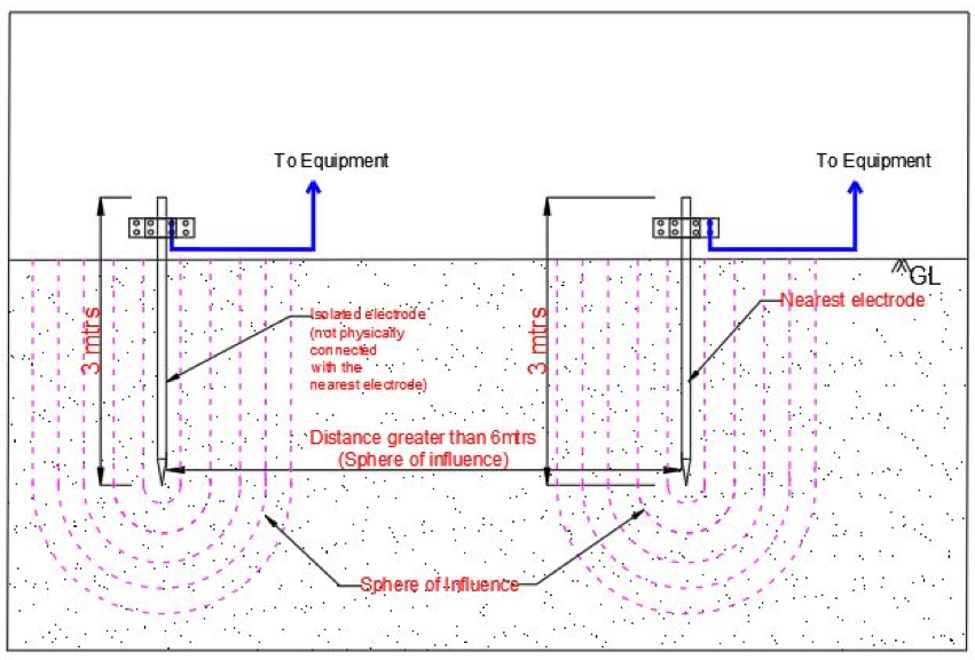
IEC 61000 Electromagnetic compatibility (EMC) - Part 5: Installation and mitigation guidelines - Section 2: Earthing and cabling, i.e. IEC 61000-5-2.
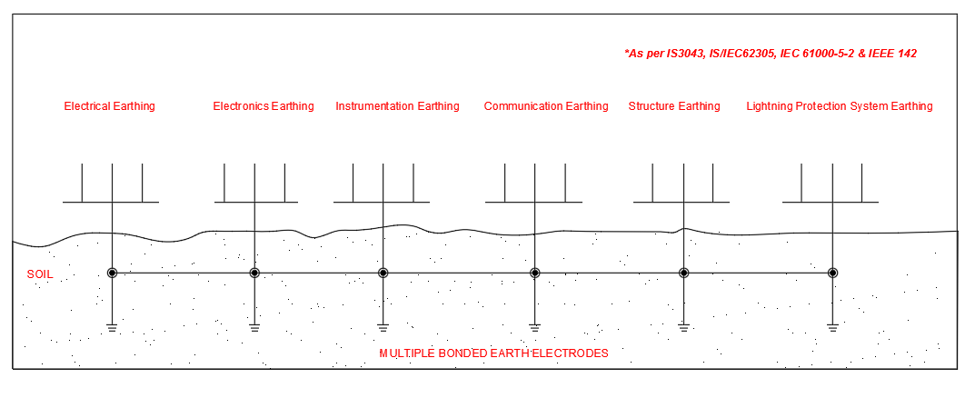
Generally, Electronics and Instrumentation Engineers feel that electrical earthing is "dirty earthing" and their equipment will fail if all earthing systems are interconnected. They wish to keep a separate earthing system for their application. Though Electronic equipment can have independent earth electrodes, they should be connected to other earthing systems below the ground.
As per the concept of "Global earthing", electrical earthing, electronic earthing, instrumentation earthing, communication earthing, structure earthing and lightning protection system earthing, should be interconnected below the ground.
The Concept of isolated earth electrode is not relevant for electronic and instrumentation systems since there are always links with other earth electrodes through (a) soil and (b) through parasitic elements such as capacitance and mutual inductance. Also during lightning or power system fault, high transient over voltage develops between this "isolated" earthing system and other parts of the installation — which is dangerous for equipment safety, personal safety and electromagnetic compatibility (EMC).
The same is applicable for very low level voltage signals such as thermocouples whose voltage range is in milli volts. The earthing of these equipment also needs to be connected with other earthing systems below the ground. This is a recommended practice as per IEC 62305-4 — Protection against lightning, Protection of Electrical & Electronic equipment inside the structure. In case of earth loop problems, an "earth coupler" can be used to isolate the earthing under normal conditions and connect during lightning conditions.
Central Electricity Authority (CEA) in its 2016 draft version also confirms connecting all earthing systems under Regulation 37 and Regulation 41. All metal works — enclosures/body of all electrical, electronics, instrumentation, and communication equipment — shall be connected with an earthing system as per IS 3043, IS/IEC 62305 & IS/IEC 61643-11.
Please let us know if you need further assistance or have any requirements: [email protected]


